
Understanding Casino Odds and House Edge
To master the art of gambling in casinos, it’s essential to grasp the concept of odds and the house edge. The house edge represents the mathematical advantage that the casino holds over players in every game. For instance, in a game like roulette, the presence of a zero (or double zero) means that the player’s odds differ from their perceived probabilities. Understanding these odds allows gamblers to make informed decisions while betting, especially when exploring options like online casino not on gamstop that offer diverse gaming experiences.
Moreover, each game comes with its own set of odds and payout structures. For example, slot machines may offer varying return-to-player (RTP) percentages, while table games like blackjack and poker require different strategic approaches. Recognizing the differences in these games can help players choose where to place their bets more effectively, ultimately aiming for a more favorable experience.
Bankroll Management: The Key to Longevity
Effective bankroll management is a cornerstone of successful gambling strategies. Players should set a budget before entering the casino to avoid overspending and gambling beyond their means. Establishing limits not only protects players from financial loss but also enhances the overall enjoyment of the gaming experience. It’s advisable to separate playing money from personal finances to maintain clarity and control.
Additionally, reviewing and adjusting your bankroll regularly based on winnings and losses is crucial. Players should consider setting aside a portion of their winnings and leaving a predetermined amount for play. This method ensures that players can enjoy their gaming sessions without falling into the trap of chasing losses, which often leads to greater financial pitfalls.
The Importance of Game Selection
Choosing the right game can significantly impact a player’s success in a casino. Not all casino games carry the same level of skill or luck; some games, like poker, offer players the chance to utilize strategy and psychology to their advantage. Others, such as slots, are purely random and offer little room for strategic play. Understanding the nature of each game allows players to capitalize on their strengths.
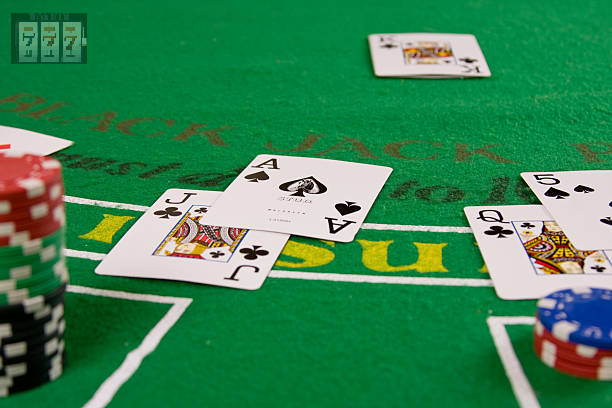
Furthermore, players should look for games with favorable odds and payouts. For example, blackjack and certain variations of poker often provide better odds compared to games like slot machines. By selecting games that align with their skills and knowledge, players can enhance their likelihood of winning in the long term.
Implementing Betting Strategies
While no strategy guarantees success, implementing effective betting systems can improve a player’s approach to gambling. Systems such as the Martingale, Fibonacci, or Paroli can provide structure to betting behavior and help players manage their wagers. However, it’s essential to remember that these strategies come with inherent risks and should be used cautiously.
Moreover, players must adapt their strategies based on the game being played and the dynamics of their bankroll. Flexibility in approach allows gamers to respond to changing circumstances in real time, whether they are on a winning streak or facing a downturn. This adaptability often separates successful players from those who struggle.
Community and Resources for Gamblers
Engaging with a community of fellow gamblers can be incredibly beneficial. Many platforms provide resources, discussions, and insights that can help players improve their strategies and stay informed about industry trends. Sharing experiences and learning from others not only enhances personal strategies but also fosters a supportive environment for growth.
Additionally, numerous tools and websites are dedicated to educating gamblers on various strategies, games, and responsible gambling practices. Leveraging these resources equips players with the knowledge needed to navigate the casino landscape successfully while promoting a balanced and enjoyable gaming experience.