
The psychology of risk Understanding gambling's effects on the mind
The Nature of Risk in Gambling
The concept of risk is central to understanding gambling behavior. Risk involves uncertainty and the potential for loss, which can create a thrilling rush for many individuals. In gambling, this risk is often amplified by the unpredictable nature of games, which can be both enticing and addictive. For those exploring options, our guide to online betting sites provides a wealth of resources. The thrill of betting, knowing one could win or lose, appeals to the innate human desire for excitement and reward, pushing people to take chances they might avoid in other areas of life.
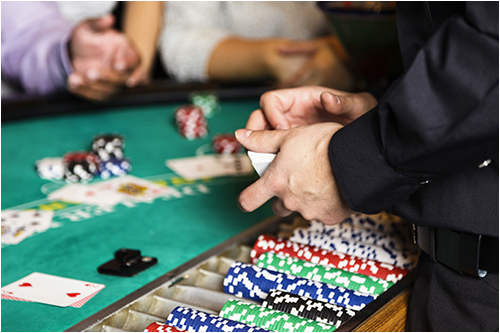
Additionally, the psychology behind risk-taking in gambling can be linked to the brain’s reward system. When individuals engage in gambling, they experience dopamine releases, creating feelings of pleasure associated with both wins and the anticipation of potential wins. This biochemical response encourages players to chase losses, often leading them into a cycle of gambling that can be difficult to escape. Understanding this psychological mechanism is crucial for anyone looking to comprehend why people gamble despite the risks involved.
Cultural factors also shape perceptions of risk in gambling. In some societies, gambling is a celebrated tradition associated with celebrations and festivities, while in others, it is viewed as taboo. This cultural context influences how individuals approach gambling, shaping their willingness to take risks and their emotional responses to winning or losing. Such cultural perspectives highlight that the psychology of gambling is not solely an individual endeavor; it is deeply interconnected with societal norms and values.
The Psychological Effects of Winning and Losing
The psychological impact of winning and losing in gambling is profound and multifaceted. Winning can induce euphoric feelings, reinforcing the behavior and prompting individuals to gamble more. The elation associated with a big win often overshadows the more common experience of loss, creating a skewed perception of the overall gambling experience. This phenomenon, known as the ‘near-miss effect,’ can lead gamblers to believe they are close to winning, further compounding their desire to continue betting in hopes of that elusive win.
On the other hand, losing can trigger a range of negative emotions, including frustration, anger, and hopelessness. The emotional toll of repeated losses can lead to what is termed ‘loss chasing,’ where gamblers attempt to recover their losses by betting even more. This destructive cycle not only affects the individual’s financial situation but also their mental health, often leading to stress, anxiety, and depression. The psychological burden of gambling losses can impact relationships and overall quality of life, emphasizing the need for a deeper understanding of these emotional dynamics.
Moreover, the psychological effects of gambling can extend beyond the individual, affecting their social circles. Relationships with family and friends can suffer when gambling takes precedence over social interactions. Those who gamble excessively may isolate themselves or become secretive about their habits, leading to further emotional distress and relational conflicts. Understanding these dynamics is essential for anyone involved in gambling, whether as a participant, friend, or family member, to foster a healthier approach to risk and reward.
The Role of Cognitive Biases in Gambling
Cognitive biases play a significant role in how individuals perceive risk and make decisions while gambling. One common bias is the ‘gambler’s fallacy,’ the mistaken belief that past outcomes influence future events in games of chance. For example, a player might think that a slot machine is ‘due’ for a win after a series of losses, leading them to gamble more in hopes of a turnaround. This fallacy demonstrates how cognitive distortions can lead individuals to make illogical decisions based on flawed reasoning.
Another relevant cognitive bias is the illusion of control, where gamblers believe they have more influence over the outcome of games than they actually do. This belief can encourage players to engage in riskier behaviors, such as betting larger amounts or playing for extended periods, as they convince themselves that they can ‘beat the odds.’ Understanding these biases is crucial for developing strategies to mitigate risk and make more rational decisions in gambling scenarios.
Additionally, confirmation bias can perpetuate gambling behaviors by reinforcing a person’s belief in their ability to predict outcomes. Gamblers may focus on their wins while dismissing losses, leading to an inflated sense of skill or luck. This selective attention to favorable outcomes can create a false narrative around their gambling abilities, further entrenching them in risky behavior. Recognizing these cognitive biases is essential for individuals to gain a clearer perspective on their gambling habits and make informed choices.
Gambling Addiction: Signs and Consequences
Gambling addiction is a serious mental health issue that can have devastating effects on individuals and their families. Recognizing the signs of gambling addiction is crucial for early intervention. Common indicators include an inability to control gambling behaviors, preoccupation with gambling, and neglecting responsibilities in favor of betting activities. Individuals may also resort to lying about their gambling habits or experiencing guilt and remorse after gambling, which can create a cycle of deceit and further addiction.
The consequences of gambling addiction extend beyond financial losses. Relationships often suffer as individuals prioritize gambling over loved ones, leading to feelings of betrayal and abandonment. The psychological toll can be severe, with many individuals experiencing anxiety, depression, and even suicidal thoughts as they grapple with the fallout of their addiction. Addressing gambling addiction requires a multifaceted approach, including therapy, support groups, and sometimes medication, to help individuals reclaim control over their lives.
Moreover, societal implications of gambling addiction are significant, as families and communities often bear the brunt of its effects. Financial strain from gambling can lead to increased poverty rates, legal troubles, and even homelessness. Awareness and education about the risks of gambling addiction are essential for prevention and recovery. Engaging in open conversations about the psychological and social consequences can foster understanding and support for those struggling with gambling-related issues.

Enhancing Responsible Gambling Practices
As the gambling landscape continues to evolve, it is essential to promote responsible gambling practices. This involves educating individuals about the risks associated with gambling, the importance of setting limits, and recognizing the signs of problem gambling. Many organizations offer resources and tools to help individuals gamble responsibly, such as self-exclusion programs and educational campaigns about the psychological effects of gambling. These initiatives aim to empower individuals to make informed choices while enjoying gambling as a form of entertainment.
In addition, integrating technology into responsible gambling practices can enhance awareness and promote healthier behaviors. For example, many online gambling platforms now incorporate features that allow users to set deposit limits, track their gambling activities, and receive alerts when they exceed their limits. Such tools not only help individuals manage their gambling but also foster a culture of responsibility within the gambling industry.
Ultimately, fostering a responsible gambling environment requires collaboration among various stakeholders, including governments, gambling operators, and support organizations. By working together, they can create a culture that prioritizes player safety and well-being. Encouraging open discussions about the psychology of risk and the effects of gambling can lead to a more informed and conscientious gambling community.